Commercial Cleaning
Best Commercial Cleaning Company in Denver: 10 Questions to Ask Before Hiring
Hiring a commercial cleaning company in Denver? Ask these 10 questions first to avoid hidden fees, poor service, and unreliable staff.
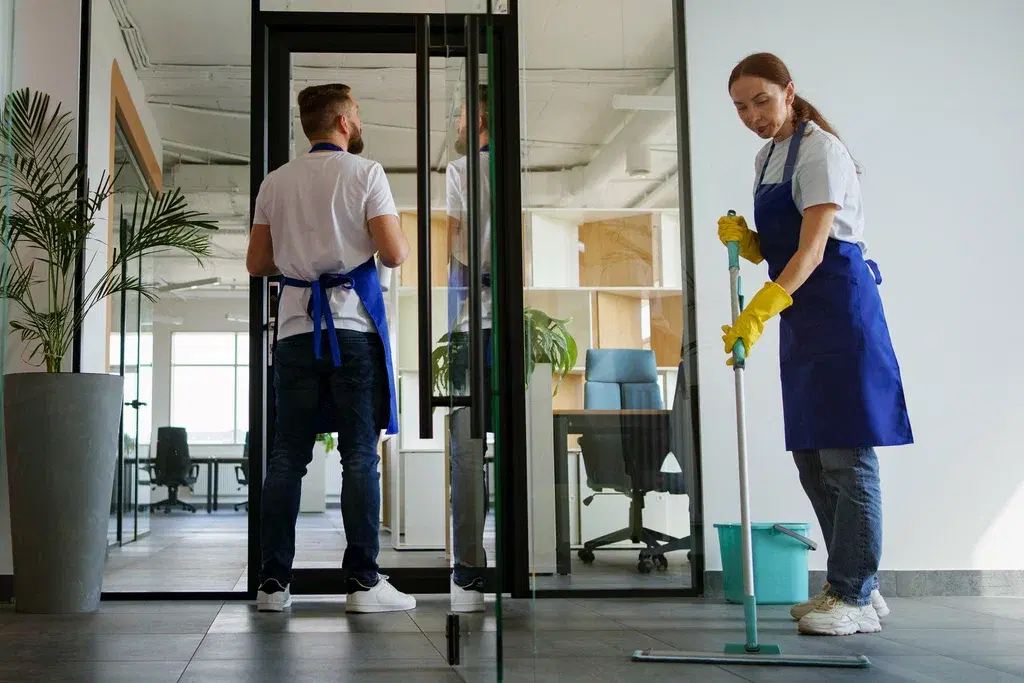
Choosing the best commercial cleaning company in Denver isn’t just about price. The wrong provider can mean inconsistent results, security risks from untrained staff, and constant follow-up to get basic tasks done right. Before you sign a contract, asking the right questions upfront can save your business months of frustration.
This guide breaks down the 10 most important questions to ask any commercial cleaning company in Denver, the red flags to watch for, and a quick checklist you can use before signing on the dotted line.
What Does a Commercial Cleaning Company Actually Do?
A commercial cleaning company provides scheduled, professional cleaning services for offices, retail stores, medical facilities, warehouses, and other business properties. Unlike residential cleaners, commercial providers typically work around business hours, follow facility-specific protocols, and handle larger spaces with trained crews and commercial-grade equipment.
Why It Pays to Ask Questions Before You Hire
Commercial cleaning is a massive industry, and Denver has no shortage of providers competing for your contract. Globally, the commercial cleaning sector has grown from roughly $182 billion in 2023 to an estimated $262–$468 billion in 2025, with continued annual growth driven by rising hygiene standards and demand for outsourced facility services.
That growth means more options for Denver businesses, but it also means more variation in quality, pricing, and professionalism. Poor cleaning isn’t just an aesthetic issue. The U.S. Environmental Protection Agency has noted that poor indoor air quality can cost businesses significantly in lost productivity and increased medical costs, much of which ties back to dust, allergens, and inadequate maintenance.
A thorough vetting process protects your budget, your employees’ health, and your company’s image with clients and visitors.
10 Questions to Ask Before Hiring a Commercial Cleaning Company in Denver
1. What Cleaning Services Do You Specialize In?
Not all commercial cleaning companies offer the same scope of work. Some focus on daily janitorial services, while others specialize in deep cleaning, post-construction cleanup, medical facility sanitation, or carpet and floor care.
Ask for a detailed list of services and confirm they match your facility type. A company that primarily services small retail stores may not have the equipment or staffing to properly maintain a multi-floor office building or a warehouse.
2. Are You Licensed, Bonded, and Insured in Colorado?
This is one of the most important questions, and one many business owners skip. A licensed, bonded, and insured cleaning company protects you from liability if something is damaged, stolen, or if a worker is injured on your property.
Ask to see proof of:
- General liability insurance
- Workers’ compensation coverage
- Bonding (which protects you against theft or dishonesty claims)
Reputable companies should provide this documentation without hesitation. If a provider is vague or resistant about insurance, treat it as a warning sign.
3. Do You Have Experience With Businesses Like Mine?
A cleaning company that primarily services small offices may not be the right fit for a medical clinic, a gym, or a restaurant with health code requirements. Ask whether they have direct experience with your industry and what that experience looks like in practice.
For example, medical and dental offices often require cleaning crews trained in OSHA bloodborne pathogen standards, while restaurants need cleaners familiar with health department expectations around food-prep areas.
4. What Cleaning Products, Equipment, and Green Options Do You Use?
The products and equipment a company uses affect everything from air quality to surface damage and employee safety. Ask which cleaning products they use as standard, and whether eco-friendly or low-VOC options are available.
This question matters more in Denver than in many cities. The Mile High City’s dry climate and altitude can make dust and static buildup more noticeable, and many local businesses are prioritizing green cleaning as part of broader sustainability goals.
5. How Do You Hire, Train, and Supervise Your Cleaning Staff?
The people entering your building after hours matter. Ask about the company’s hiring process, including background checks, and what training new staff receive before being placed on a job site.
Also ask how supervisors monitor quality. Is there a site manager who does regular walkthroughs? Are there checklists crews must complete and sign off on for each visit?
6. Do You Follow Recognized Industry Standards, Like ISSA’s CIMS Certification?
The cleaning industry has its own quality benchmarks, and asking about them can quickly separate established providers from less organized ones. The Cleaning Industry Management Standard (CIMS), developed by ISSA (the Worldwide Cleaning Industry Association), is a recognized certification that evaluates a company’s quality systems, staffing practices, and health and safety protocols.
A company doesn’t need to be CIMS-certified to be excellent, but if they are, it’s a strong signal of structured operations. If they aren’t certified, ask what internal standards or training programs they follow instead.
7. How Do You Handle Quality Control and Feedback?
Even the best crews occasionally miss something. What matters is how the company responds. Ask:
- How often do supervisors inspect completed work?
- What’s the process if you report an issue?
- How quickly are problems typically resolved?
A company with a clear, documented quality control process is far more likely to deliver consistent results over time than one that relies purely on “trust us.”
8. Can You Share References From Other Denver Businesses?
References from current or past clients, especially businesses similar to yours in the Denver area, give you a realistic picture of what to expect. Ask for at least two or three references and actually follow up with a quick call or email.
When speaking with references, ask about reliability, communication, how issues were handled, and whether they’ve experienced staff turnover that disrupted service.
9. How Flexible Is Your Scheduling and After-Hours Access?
Most commercial cleaning happens outside business hours, which means the company needs a reliable system for after-hours access, key or code management, and emergency contact in case something goes wrong overnight.
Ask how scheduling changes are handled (for holidays, special events, or last-minute requests) and who you’d contact if you needed something cleaned outside the normal schedule.
10. What’s Included in Your Pricing, Contract, and Cancellation Terms?
Get a clear breakdown of what’s included in the quoted price, and what counts as an add-on. Common areas where “extra fees” appear include restocking supplies, deep cleaning of carpets or floors, window cleaning, and emergency or same day requests.
Also review the contract terms for length, automatic renewal clauses, and cancellation notice requirements. A trustworthy provider will walk you through this without pressure.
Comparison Table: What a Strong Answer Sounds Like
| Question | Weak Answer | Strong Answer |
|---|---|---|
| Licensed & insured? | “We’ve never had a problem.” | Provides documentation on request |
| Staff training? | “They figure it out.” | Documented onboarding + ongoing training |
| Quality control? | “Call us if something’s wrong.” | Scheduled inspections + reporting system |
| Pricing | One flat number, no breakdown | Itemized quote with optional add-ons listed |
| References | Hesitant or none provided | Offers 2–3 verifiable local references |
Red Flags That Signal You Should Keep Looking
- Vague or evasive answers about insurance and bonding
- No written contract or scope of work
- Unusually low pricing compared to other Denver quotes (often a sign of cutting corners on staff wages or insurance)
- High staff turnover with no explanation
- No clear process for reporting issues or requesting changes
- Pressure to sign a long-term contract before a trial period
Benefits of Choosing a Local Denver Commercial Cleaning Company
National chains aren’t always a bad choice, but local Denver providers often offer advantages that matter for day-to-day reliability:
- Faster response times for same-day requests or emergencies, since crews and supervisors are based nearby
- Familiarity with local conditions, such as managing dirt, salt, and mud tracked in during Denver’s snowy winters
- More direct communication, often with an owner or manager rather than a call center
- Flexibility for smaller or unusual contracts that larger national providers may not prioritize
Quick Checklist Before You Sign a Contract
- Confirm proof of licensing, bonding, and insurance
- Get a written, itemized quote (no vague “all-inclusive” pricing)
- Ask about staff training, background checks, and supervision
- Clarify cleaning products used, including green options
- Request 2–3 references from similar Denver businesses
- Review contract length, renewal terms, and cancellation policy
- Confirm how after-hours access and emergencies are handled
- Ask how quality issues are reported and resolved
Frequently Asked Questions
How much does commercial cleaning cost in Denver?
Pricing varies based on square footage, frequency, and the type of facility, but routine commercial cleaning is often priced per square foot or as a flat monthly rate based on a walkthrough. Always ask for an itemized quote so you know exactly what’s included.
How often should an office be professionally cleaned?
Most offices benefit from cleaning at least 2–3 times per week for high-traffic areas like restrooms, kitchens, and entryways, with daily service common for larger or busier offices. Lower-traffic spaces may only need weekly visits.
What’s the difference between janitorial services and commercial cleaning?
“Janitorial services” typically refers to recurring, routine cleaning, like trash removal, restroom maintenance, and surface cleaning, while “commercial cleaning” can also include one-time or periodic deep cleaning, carpet care, window washing, and post-construction cleanup.
Do commercial cleaning companies provide their own supplies and equipment?
Most established commercial cleaning companies supply their own cleaning products, tools, and equipment as part of the contract. It’s worth confirming this upfront, especially if you have preferences around eco-friendly or hypoallergenic products.
How do I switch commercial cleaning companies without disrupting my business?
Review your current contract’s cancellation notice period first, then schedule an overlap or transition period if possible. A good new provider will offer a walkthrough before the first cleaning and a short trial period to confirm everything meets expectations.
Final Thoughts
The best commercial cleaning company in Denver isn’t necessarily the cheapest or the biggest. It’s the provider that’s transparent about insurance, staffing, and pricing, and that can clearly explain how they’ll maintain quality over time. Use the 10 questions and checklist above during your next round of quotes, and don’t be afraid to ask follow-up questions if an answer feels incomplete.